(item number) 8059
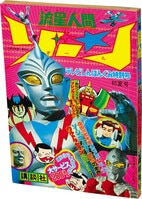
(title) Shonen King 248 volumes Leiji Matsumoto "Galaxy Express 999" complete story set 1977 (S52) No. 4 to 1981 (S56) No. 48
(maker) Shonen Gahosha
(the date of issue) 1977 (S52) No. 4 to 1981 (S56) No. 48
(size) B5
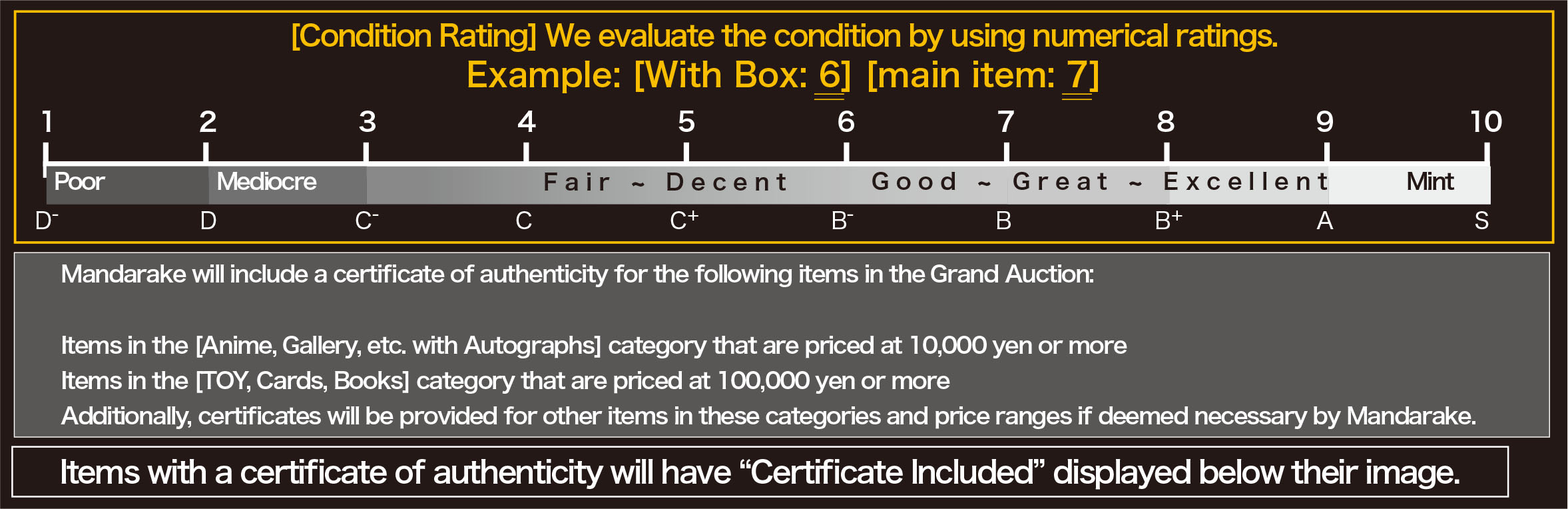
(condition) average to average
(starting bid price) 150,000 yen
(comment) 1977 No. 4: Notice
1977 No. 5 + 6: First new series
1980 No. 48: Final episode
26, 40
1979, 30-32, 35, 37, 43-46
1980, 1, 11, 24, 29, 34, 37, 38, 46
1981 Nos. 13, 23, 31-35, 37
Main condition
Faded, cover crease marks
No. 22: sticker pasted marks
No. 24: cover creases/wrinkles
No. 26: cover crease marks
Damaged
No. 7: Front crease marks Damaged
No. 19: Back cover wrinkles
No. 30: Spine binding marks, back stains
No. 32: Back crease marks
Year
No. 17: Small spine stain
No. 20: Slight damage around cover, stapled
No. 21: Stain, minor defect around cover
No. 22: Broken cover around cover
Damaged
1980
No. 2: Back stains
No. 6: Main body damaged, writing on top and bottom
: Back tape attached
No. 13: Back small tear damage
No. 20: Back stain
No. 38: Front cover damaged
No. 43: Front cover stained
Folded
No. 49: main body slightly twisted
No. 52: back cover tape attached
1981
No. 1: back cover tape attached
No. 24: back cover tape attached
No. 31: edge minor damage
No. 33: back cover sticker attached
Leiji Matsumoto "Galaxy Express 999" Full Story Set
Weekly Shonen King serialized for about 5 years from May 6, 1977 to No. 48, 1981. The long journey with Tetsuro Hoshino's beliefs and hopes in his heart has created a number of dramas that cannot be classified as [SF manga], and has had a great impact on readers' sense of life and manga and anime works since serialization. There should be many people who remember the Leiji Matsumoto boom of the 1960s.
Books are released in various editions, starting with Shonen Gahosha's hit comics, paperback editions, Shogakukan Series, GAMANGABOOKS, MyFirstBIG, and Big Comics Gold. After that, in 1996, "Eternal Edition" began in the magazine "Big Gold", but it was not completed. Corrections are made to the extent that the ending changes when the book is published.
Compared to other representative writers such as Osamu Tezuka and Go Nagai, there are few unrecorded or revised parts, but there are frames that appear only when published in magazines, phrases that have been changed in detail, and lines that have been cut. During the serialization period, popular and mysterious works representing the latter half of Weekly Shonen King, such as Fujiko Fujio "Manga Road", George Akiyama "Gyara", and Jiro Tsunoda "5 Five Dragons", began, and King's popularity began in 1969. With the end of the series of "Wild 7", which has been leading the way, you can feel the time with the work that made King excited and ran through with 999. Also, above all, you can enjoy the cover illustration, the universe that seems to be sucked in on the pin-up, the door, and the color page, and the beautiful and attractive female characters, which can only be enjoyed in this magazine.
Weekly Shonen King ceased publication in issue 22 of 1982, less than a year after the completion of 999, and was reborn as "Weekly Shonen KING.
117 Leiji Matsumoto |